
A living room should be the kind of place where you naturally want to linger: a good book, a warm drink, a conversation that runs a little longer than planned. The good news is that coziness does not require a renovation or a whole new room of furniture. It usually comes from layers, light, and a few thoughtful choices that make the room feel softer, warmer, and more personal. These ten ideas work in small apartments and larger homes alike, and most of them can be done in an afternoon or over a single weekend.
1. Layer textiles for instant warmth
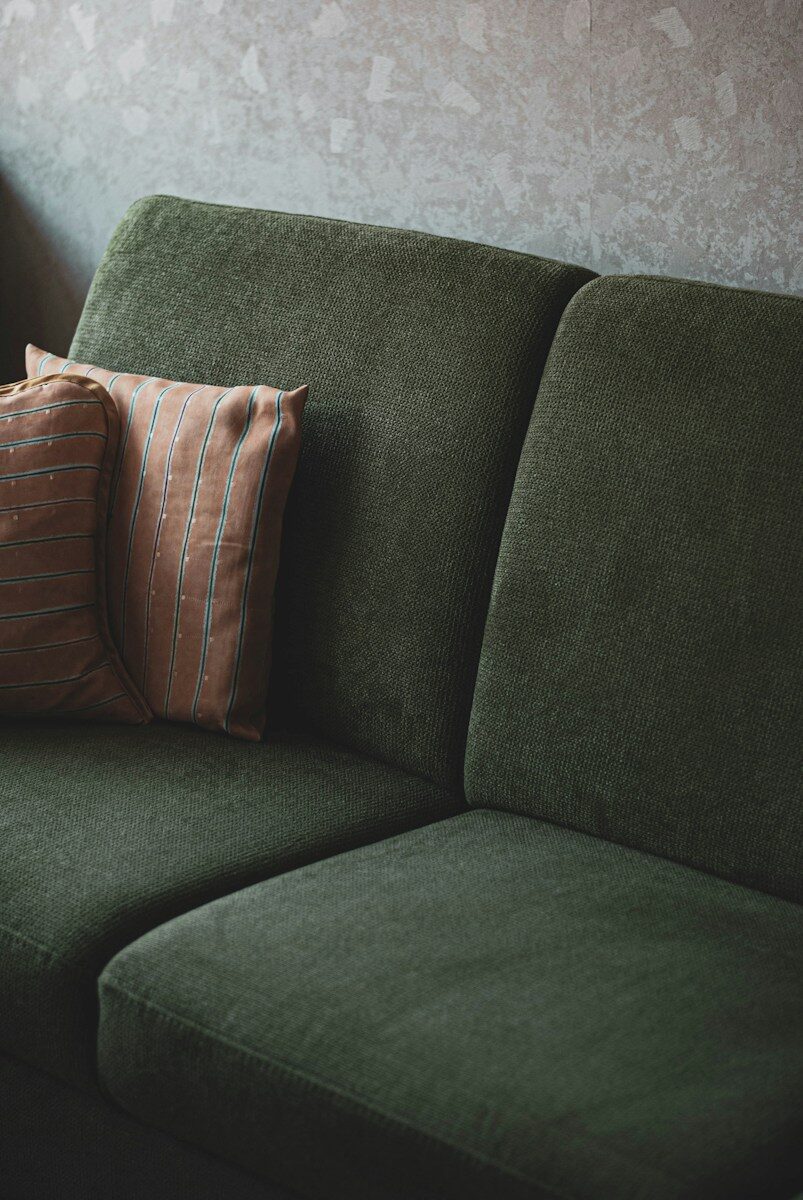
Textiles are the fastest way to make a room feel cozy. Start with a rug that anchors the seating area, then add a soft throw draped over the arm of the sofa and a mix of cushions in different textures, such as knit, linen, and velvet. You do not need everything to match perfectly. In fact, a room feels more inviting when textures vary but the colors stay in the same family. If your sofa is a neutral color, try cushions in warm rust, soft sage, or deep mustard. If the sofa is already bold, keep the rest of the textiles calm so the room does not feel busy.
2. Use warm lighting in layers
Overhead lighting alone can make a room feel flat and cold. Instead, build lighting in layers: a floor lamp beside the sofa for reading, a table lamp on a sideboard for a soft glow, and, if you like them, candles for the evening. Choose warm-toned bulbs rather than harsh white ones, and consider a dimmer switch if your lights allow it. The goal is a gentle pool of light where people sit, with darker, calmer corners elsewhere. Always keep candles away from curtains, cushions, and anything flammable, and never leave them burning unattended.
3. Create a clear focal point
Every cozy room has somewhere for the eye to rest. It might be a well-styled sofa, a large piece of art, a bookshelf, or a fireplace mantel. Once you know your focal point, arrange the rest of the room around it rather than pushing everything against the walls. A simple gallery wall, a mirror above a console, or a mantel dressed with a vase, a candle, and a framed print can all do the job. Keep the styling simple: three to five objects, with different heights, usually look better than a crowded shelf.
4. Add natural touches
Wood, plants, and woven baskets bring a living room to life in a way that purely synthetic materials rarely do. A wooden coffee table, a rattan basket for throws, or a couple of easy-care plants, such as a pothos or a snake plant, add warmth and texture. If you worry about keeping plants alive, start with just one or two and place them where you will notice them, near a window or beside the sofa. Even a small vase of fresh greenery on a side table can change the feeling of the whole room.
5. Add color through accents, not a full repaint
You do not need to repaint every wall to change the mood of a room. In fact, keeping the walls neutral and adding color through accents is often the smarter move, especially in a rental. Try a colorful throw, patterned cushions, a piece of art, or a bold rug. If you love a particular color, repeat it in two or three places around the room, for example in a cushion, a vase, and a print, so it feels intentional rather than random. When you want a change, swapping accents is far easier than repainting.
6. Arrange the layout for conversation
A cozy living room invites people to talk, not just to watch a screen. Try pulling the sofa and chairs a little closer together, angled slightly toward each other, so everyone can see each other comfortably. A coffee table in the middle gives everyone somewhere to set a drink, and a side table beside each seat means nobody has to stretch across the room. If the television is the main focus, that is fine, but try to keep at least one seating arrangement that works without it, such as two chairs facing the sofa near a window.
7. Add personal touches without clutter
The difference between a personal room and a cluttered one is usually editing. Choose a few things that genuinely mean something to you: a framed photo, a souvenir from a trip, a handmade object, or a stack of books you actually read. Display those, and store the rest. A room feels cozier when surfaces have a little breathing space, so leave part of each shelf and tabletop empty. Rotating items seasonally is an easy trick: swap a few pieces every few months and the room feels fresh without buying anything new.
8. Make small swaps with a big impact
Some of the most effective changes are also the smallest. Longer curtains hung a little higher and wider than the window make a room feel taller and softer. New cushion covers can change a sofa’s whole personality for a modest cost. Swapping dark, heavy hardware on a sideboard for warmer brass or wood handles can refresh a piece you already own. Even changing a lampshade, from a stark white one to a linen or pleated style, softens the light and the look of the room at the same time.
9. Keep it cozy in every season
Coziness is not just for winter. In summer, swap a heavy wool throw for a light cotton one, open the curtains to let in more daylight, and bring in fresh greenery. In winter, add a thicker rug layer, heavier curtains, and warmer lighting. The structure of the room stays the same; only the lightest layers change. This seasonal rhythm also helps you notice what you actually use. If a throw never leaves the basket, or a cushion always ends up on the floor, it may be time to let it go.
10. A quick weekend checklist
Ready to start? Here is a simple order to follow. First, clear the surfaces and remove anything that does not belong in the room. Second, add or adjust your rug so the front legs of the sofa and chairs sit on it. Third, layer in a throw and two or three cushions. Fourth, set up two or three warm light sources and switch the bulbs if needed. Fifth, add one plant and one natural-textured basket. Finally, choose a focal point and style it simply. Stop there, live with the room for a few days, and then decide whether anything else is really needed. Often, it is not.
A cozy living room is not about perfection or a big budget. It is about warmth, comfort, and a room that suits the way you actually live. Start with one idea from this list, see how it feels, and build from there. Which of these ideas would you try first, or what makes your own living room feel cozy? Share your thoughts in the comments below.